Get Tree Curbing Installation
Tree curbing installation services help property owners prevent tree damage, control root growth, and define landscape borders through professional tree and shrub edging projects.
Tree curbing installation can enhance the appearance and safety of residential and commercial properties. Properly installed curbing helps define landscape boundaries, prevent soil erosion, and protect tree roots from damage caused by lawn equipment or foot traffic. Property owners in the area often explore these services to improve curb appeal, maintain landscape integrity, and create a polished outdoor environment that complements their property’s overall design.
For those considering tree curbing installation, it’s helpful to compare local contractors who specialize in this work. Working with experienced service providers ensures the job is completed effectively and to your specifications. Keep reading to discover how connecting with qualified local pros can support your planning process and help you find the right solution for your property’s needs.
- Tree Curbing Installation - when property owners want to define landscape borders or prevent tree roots from encroaching on structures.
- Tree Curbing Installation - to enhance curb appeal and create a clean, finished look around trees in residential or commercial properties.
- Tree Curbing Installation - when replacing or upgrading existing landscape edging to improve durability and visual appeal.
- Tree Curbing Installation - for sites requiring barrier installation to protect trees during construction or landscaping projects.
- Tree Curbing Installation - to contain mulch or decorative materials around trees and maintain a tidy landscape appearance.
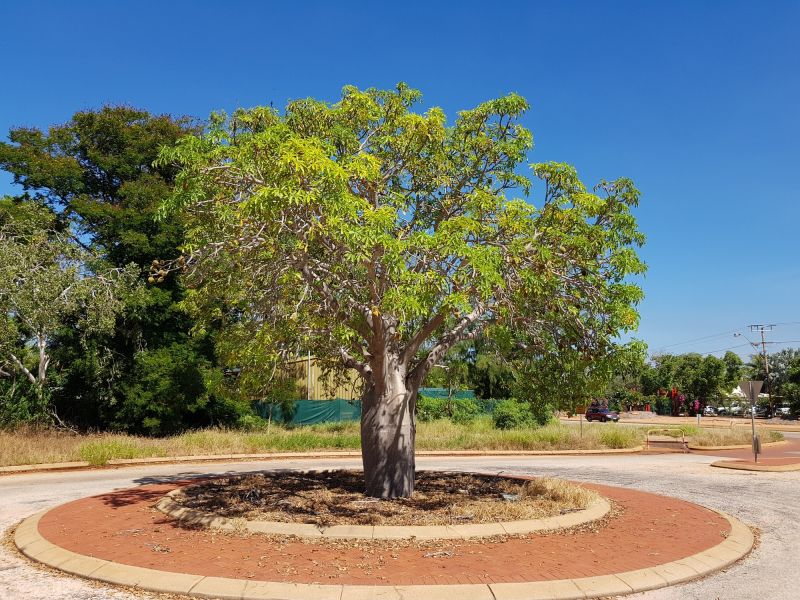
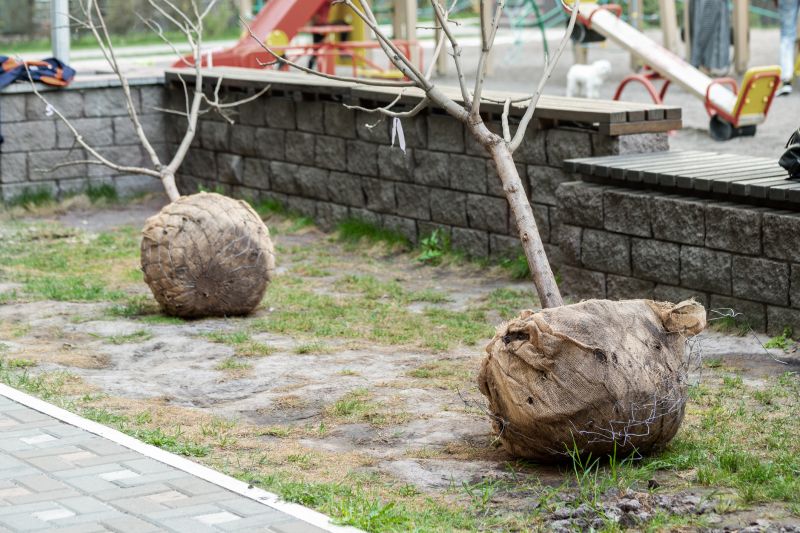
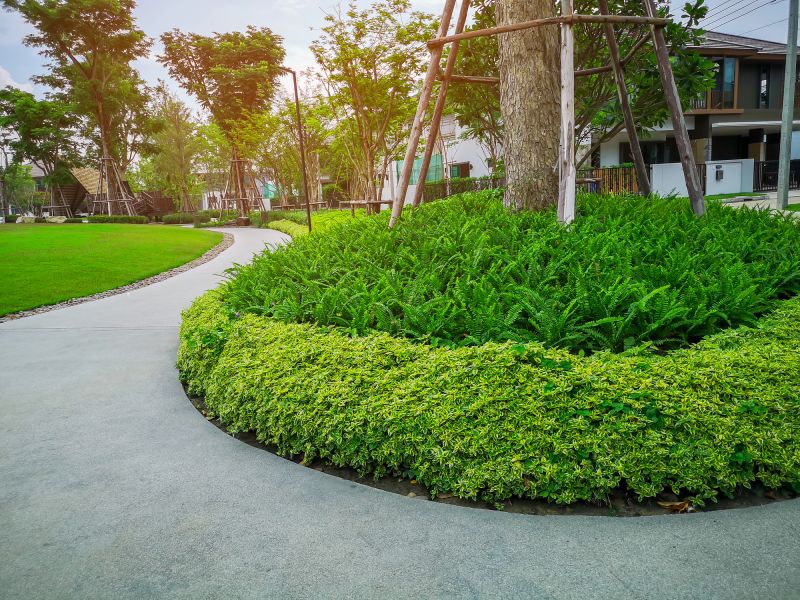
Tree curbing installation involves placing a barrier or border around the base of a tree to protect its root zone and define the landscape. This service typically includes installing a durable curb made from materials like concrete, stone, or rubber that surrounds the tree trunk and extends into the surrounding soil. The purpose is to create a clear separation between the lawn, walkway, or garden beds and the tree’s roots, helping to prevent damage from equipment, foot traffic, or landscaping activities. Proper installation ensures the tree remains healthy while enhancing the visual appeal of the property.
This service helps address common problems such as root damage caused by lawnmowers, trimmers, or foot traffic, which can weaken the tree over time. It also prevents soil compaction around the root zone, which can hinder water and nutrient absorption. Additionally, tree curbing can reduce the risk of erosion and water runoff that might expose roots or cause uneven ground. For property owners looking to maintain the health of mature trees or to improve the safety and aesthetics of their landscape, tree curbing installation offers a practical solution.
Properties that frequently utilize tree curbing installation include residential yards, commercial properties, parks, and public spaces. Homeowners often choose this service to protect valuable trees and keep their lawns tidy, especially in areas with high foot traffic or frequent landscaping. Commercial property managers may use tree curbing to maintain a professional appearance and prevent damage to landscaping features. Parks and community spaces benefit from curbing to safeguard large trees and ensure the safety of visitors while maintaining an organized appearance.
Homeowners who notice issues like damaged roots, uneven ground around trees, or concerns about lawn equipment harming their trees might consider tree curbing installation. It is also a suitable solution for those planning landscape improvements or seeking to enhance the safety and longevity of their trees. By connecting with local contractors who specialize in this service, property owners can find experienced professionals to assess their needs and install the appropriate curb system. This helps ensure that trees remain healthy and landscape features stay protected for years to come.
The overview below groups typical Tree Curbing Installation projects into broad ranges so you can see how smaller, mid-sized, and larger jobs often compare in your area.
In many markets, a large share of routine jobs stays in the lower and middle ranges, while only a smaller percentage of projects moves into the highest bands when the work is more complex or site conditions are harder than average.
Smaller Repairs - for minor tree curb adjustments or pruning, local contractors typically charge between $250 and $600. Many routine jobs fall within this middle range, with fewer projects reaching the higher end for additional work or complexity.
Moderate Curbing - installing or replacing curb sections for medium-sized trees usually costs between $600 and $1,500. These projects often involve more extensive work but remain within a predictable cost band for most service providers.
Large or Complex Projects - extensive curb installation or major repairs for large trees can range from $1,500 to $3,500 or more. Such projects are less common and tend to push into the higher cost tiers due to the scope and materials involved.
Full Replacement - completely removing and installing new curbing around multiple or large trees can cost $3,500 to $5,000+ depending on size and site conditions. These are typically larger projects that may involve significant planning and labor, making them less frequent but more costly.
Actual totals will depend on details like access to the work area, the scope of the project, and the materials selected, so use these as general starting points rather than exact figures.
Landscape Edging Projects - local contractors skilled in installing durable landscape borders often have experience with tree curb installation to define planting areas effectively.
Garden Bed Construction - professionals who build and maintain garden beds utilize similar planning and installation skills as those required for tree curb setups.
Retaining Wall Installation - installing retaining walls involves working with materials and planning techniques comparable to those used in tree curb construction.
Pathway and Walkway Creation - creating functional pathways requires precise planning and material installation, paralleling the skills needed for tree curb projects.
Soil and Mulch Installation - local service providers experienced in soil preparation and mulch placement often handle tree curb installation to ensure proper tree health and aesthetics.
Hardscape Feature Installation - installing features like decorative stones or borders involves similar tools and planning as those used in tree curb projects.
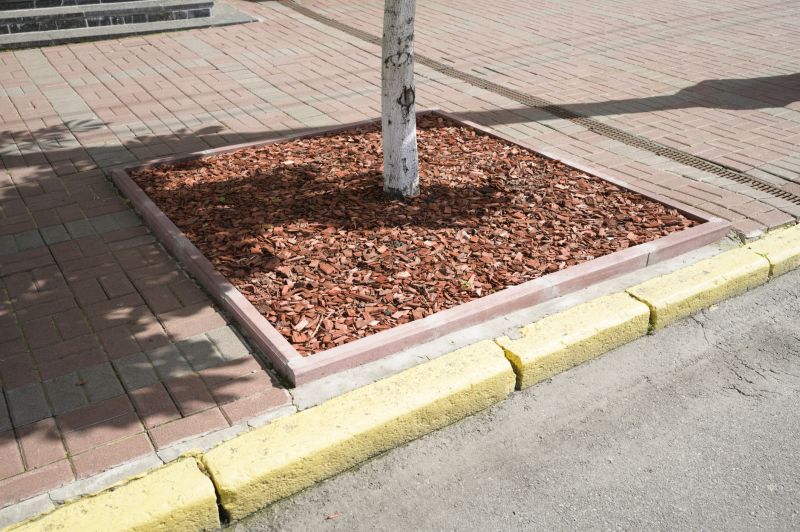
When comparing service providers for tree curbing installation, it’s important to consider their experience with similar projects. Homeowners should inquire about how long a contractor has been working in the area and whether they have completed comparable jobs. An established local contractor with a history of successful tree curbing installations can often provide a better sense of familiarity with common site conditions and local regulations, which can contribute to a smoother project process.
Clear, written expectations are essential to ensure that both parties understand the scope of work, materials to be used, and any specific requirements. Homeowners are encouraged to request detailed proposals or estimates that outline the work involved, so there are no surprises later. Proper documentation helps establish a shared understanding and provides a reference point if questions or issues arise during the project.
Reputable references and good communication are also key factors to consider when evaluating local contractors. Asking for references from previous clients can provide insights into the contractor’s reliability, quality of work, and professionalism. Additionally, effective communication-such as responsiveness to questions and clarity in explanations-can make the process more straightforward and less stressful. It’s important to remember that this site introduces homeowners to local options for tree curbing installation; it does not perform the work itself. Connecting with qualified service providers who demonstrate experience, clear expectations, and good communication can help ensure a successful project outcome.
Property owners use Tree Curbing Installation services for practical projects around their homes and businesses. This guide focuses on everyday jobs and straightforward project options.
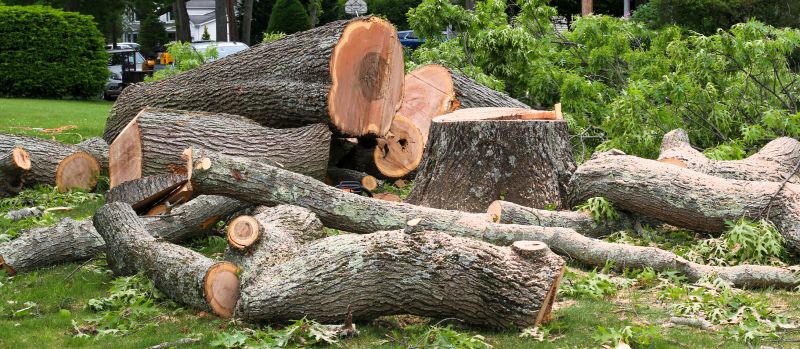
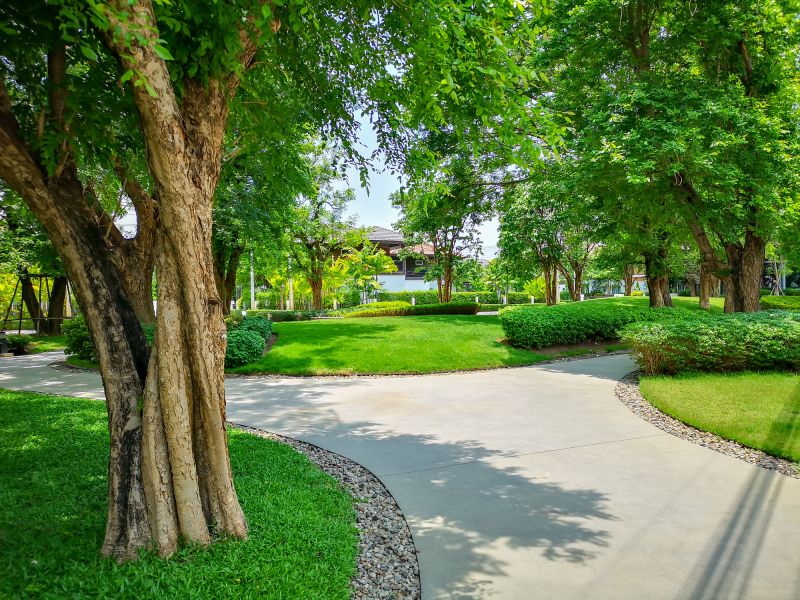
Tree curbing installation services are often needed when property owners want to improve the appearance of their landscape or prevent damage caused by overgrown or unstable trees. Local contractors can help with installing protective borders around tree bases to keep mulch, soil, or grass neat and contained. Additionally, they can assist in creating clear, defined edges that enhance curb appeal and help maintain a tidy yard, especially in areas where trees are close to walkways or driveways.
Property owners might also seek tree curbing installation to address safety concerns or to prepare for seasonal changes. For instance, installing curbing can help reduce the risk of tripping hazards by creating a barrier between the tree and foot traffic zones. It can also assist in managing water runoff or preventing soil erosion around tree roots. Local service providers are available to handle these projects efficiently, ensuring the work aligns with the specific needs of each property.
What are the benefits of curb planting for trees? Curb planting can help define tree areas, protect roots, and improve overall tree health and aesthetics in the landscape.
How do local contractors install tree curbs? They typically prepare the site, select appropriate materials, and carefully install the curb around the tree to ensure proper support and protection.
What materials are commonly used for tree curbing? Common options include concrete, brick, stone, or metal, chosen based on durability and landscape design preferences.
Can curb installation be customized to fit different yard styles? Yes, local service providers often offer various design options and materials to match different landscape styles and personal preferences.
What maintenance is required for tree curbs? Generally, tree curbs require minimal maintenance, but occasional cleaning and repairs may be needed to keep them in good condition.
Tree Curbing for Property Boundaries - Installing curbings can clearly define property lines to prevent disputes with neighbors.
Tree Curbing for Aesthetic Landscaping - Adding curbings around trees can enhance the visual appeal and create a neat, organized look.
Tree Curbing for Safety and Accessibility - Proper curbings can help keep walkways clear and reduce tripping hazards near trees.
Tree Curbing for Tree Health and Maintenance - Installing curbings can protect tree roots from damage caused by lawn equipment and foot traffic.
If you are thinking about Tree Curbing Installation for a property, this guide is meant to help you understand the work, the typical project types, and how different options might fit your plans.
When you are ready, you can use the quote form on this page to share a few details about your project. From there, local pros can review the basics and respond with options that match what you have in mind.